

How to find the best snow in La Plagne on warm, sunny days
Sunny days can mean brilliant skiing but tricky snow
Just as with all resorts the world over, the conditions in La Plagne can vary hour by hour and day by day. On warmer, sunnier days you’ll often find the state of the snow changes dramatically from morning to afternoon, especially later in the season when the sun is strongest.
Because La Plagne covers a huge area with big altitude differences, snow can be firm and fast in one sector, then soft, sticky, or chopped-up a couple of lifts away. Read below for tips to find the best snow in resort, no matter what the weather and conditions throw at you.
Affiliations: La Plagne 360 works with trusted, industry-leading suppliers to bring you the best services for your trip. If you click on these links, we may earn a small commission at no extra cost to you. In most cases, you’ll also benefit from a better deal. We only feature products and services we’ve used and genuinely recommend.
Warm weather day in La Plagne?
Quick tip: On sunny days, snow often goes from firm early on to soft and heavy later. The wrong skis or board setup can turn a fun day into a leg-burner.
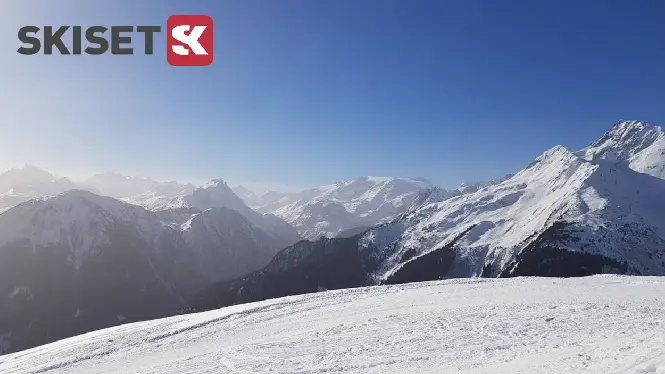
If you’re hiring, your hire shop should know the forecasts for changing snow conditions and steer you towards an easier, more forgiving setup. A quick wax and a sensible base tune also make a noticeable difference when the surface gets sticky.
Prefer to go straight to Skiset? Book here
Follow the sun for the best snow
The general theory of staying higher often helps, but the most reliable trick on warm days is simpler: follow the sun. It’s surprising how few people do it properly. On warm days, the best snow isn’t always in one single place or one single altitude. It moves as the day goes on.
This method is simple: ride the aspects that are skiing best right now, then shift as the sun changes position. Done properly, it can keep you on enjoyable snow for far longer, even when temperatures rise.
Follow the sun 3D map of La Plagne
We’re all aware of the trajectory of the sun. It rises in the east, sets in the west. That basic rule gives you a practical way to plan your day when snow is going through a freeze-thaw cycle.
Morning: east-facing slopes are the first to soften. If conditions are firm or icy after an overnight freeze, they’re often your best first move because they’ll get sun exposure earlier.
Midday: as the east-facing runs begin to deteriorate, start moving towards runs with a more southerly exposure. They’ll soften as the sun’s strength takes effect.
Late afternoon: west-facing pistes are normally best later in the day as they’re the last to be in the direct line of the sun, which can be the difference between riding pistes that are dropping into shadow (consequently firming up and becoming icy quicker) or finding softer snow.
Important: this is a warm-weather method. On a powder day, you reverse the logic by prioritising shaded aspects first.
Go higher for better snow, especially above 2000m
When it’s warm and sunny, altitude matters. Air temperature drops as you gain height, which means snow tends to stay firmer for longer up high and takes longer to turn to slush.
In the Alps, around 2000 metres is a useful mental marker. Below that, snow is more likely to be affected by mild air, rain/snow swings and rapid softening. Above that, the lower temperatures mean the surface holds up better when the sun is strong. Also, it’s often cold enough for snowfall above this line at any point through the winter. April freshies anyone? It happens much more regularly than many people imagine.
The 2000m mark is particularly applicable in early and late season when the freezing level can yo-yo substantially. If you want to stack the odds in your favour, plan your day so you spend more time above 2000m, then consider dropping lower later if the surface conditions are good.
Practical takeaway: if you’re hunting for better snow on a warm day, combining altitude with the sun method works. Start where it’s firm but improving, then climb higher and work with the idea of exposure to the sun. This should ensure you find the best snow even when the lower pistes start to get heavy.
In flat light, go lower into the trees
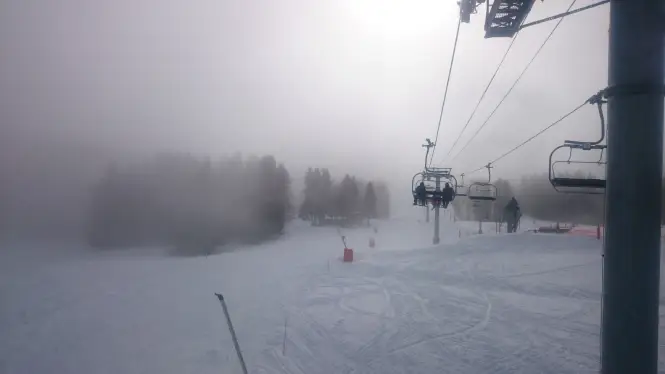
Warm sunny weather isn’t the only time you’ll hunt for better snow. If visibility is poor, the priority changes fast.
In a whiteout or flat light, open bowls can become featureless. Tree-lined terrain gives you contrast and reference points, which makes it easier to judge steepness, spot bumps and ski with confidence. You’ll also often find less wind and a more sheltered surface in and near the trees.
If the weather turns, don’t waste your day guessing in the clouds. Drop lower, find defined runs and use the trees to keep visibility workable.
We mapped the most practical areas for this in our guide here: where to ride when it snows in La Plagne.
Variable conditions in spring-like weather?
Quick tip: Warm-weather days often mean a bigger mix of conditions. Early runs can be firm, then the surface softens and gets heavier, which increases fatigue and the chance of awkward falls late in the day.
Good ski insurance helps if something goes wrong – whether that’s an injury, a trip disruption or needing medical support. It’s also worth bearing in mind, in France, mountain rescue and evacuation can be charged directly to you.

Warm-weather snow plan: east > south > west
This is the simplest way to apply the method without overthinking it.
1 Morning (firmer snow): start on slopes that get earlier sun, usually more easterly aspects. If it’s icy, you’re trying to catch the window when it softens just enough to feel grippy.
2 Midday (best soft snow): as early slopes get chopped up or too soft, shift towards sunnier exposures. You’re looking for that sweet spot where it’s softened but not heavy. As the sun strengthens, you’ll also usually want to head higher.
3 Afternoon (avoid refreeze and shadows): finish on runs that hold up later, often more westerly exposures that are the last to get sun.
Reverse for powder days: the same logic works in reverse when you want to keep snow cold and light. Stick to shaded aspects and avoid hitting the sun-exposed surfaces early.
More La Plagne snow and conditions info
If you want to go deeper than a single day tip, these guides help you plan around the most common conditions you’ll face on a La Plagne trip.
La Plagne snow conditions (overview)
Where to ride when it snows in La Plagne
La Plagne piste map (latest)
La Plagne off-piste routes
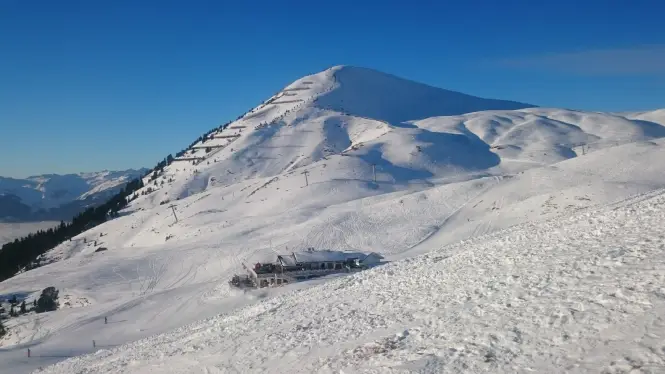
When is the best time to ski La Plagne?
While winters are becoming more erratic and harder to judge, some times are more snow-assured than others.
For a clearer idea of what conditions are typically like during your trip, check the month-by-month snow and conditions guides:
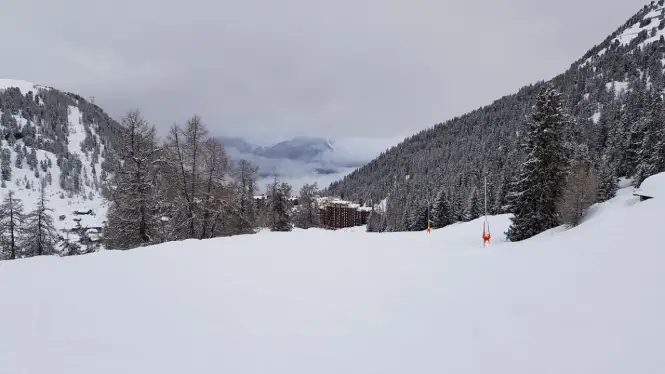
Best snow in warm weather FAQs
Warm-weather skiing in La Plagne – our most common FAQs? If you still have questions after reading the guide above, these are the things people most often ask before planning a sunny-day route. If you don’t find the answers you’re looking for here, drop us a line on the La Plagne 360 Facebook page and we’ll get right back to you.
- Does following the sun work in mid-winter too?
- Is going higher always better for snow?
- What is the ‘2000m’ marker people talk about?
- What should snowboarders do on warm, sticky afternoons?
- Where should I ride if visibility turns bad?
- Where can I find more La Plagne videos like this?
Yes, but the effect is smaller. In deep winter the sun is weaker and temperatures are lower, so snow changes more slowly. The method becomes most useful during warm spells, late season, or any time you get a freeze-thaw cycle.
Not always, but it’s a strong rule of thumb on warm days. Higher altitude usually means colder air and slower melting. Combine altitude with aspect and timing rather than assuming one lift higher automatically fixes everything.
It’s a practical reference point. Below around 2000m, snow is more often affected by mild air, rain/snow swings, and rapid afternoon softening. Above it, conditions generally hold better, especially early and late season.
Prioritise smoother pistes and avoid long flat run-outs when the snow is heavy. If it’s sticky, keep your base waxed and aim to ride earlier in the day when the surface is more consistent.
Drop lower into defined terrain, ideally runs with trees or landmarks. Trees improve contrast and help you judge slope angle and bumps in flat light. Use our guide here: where to ride when it snows in La Plagne.
Visit the iRide YouTube channel for more great La Plagne videos produced by La Plagne 360, filmed through the season over multiple years.
Want more practical La Plagne info?
If you want more useful info in your feed, follow our Facebook updates:
- Snow and visibility updates when conditions change
- Travel warnings on busy weekends
- New guide drops as we build out the site
Plan your trip
Planning your trip? These partners help with booking, transfers and kit hire. We may earn a commission if you use them – at no extra cost to you.

La Plagne ski hire
La Plagne Geneva flights
More La Plagne flights