
La Plagne village guide
La Plagne resorts
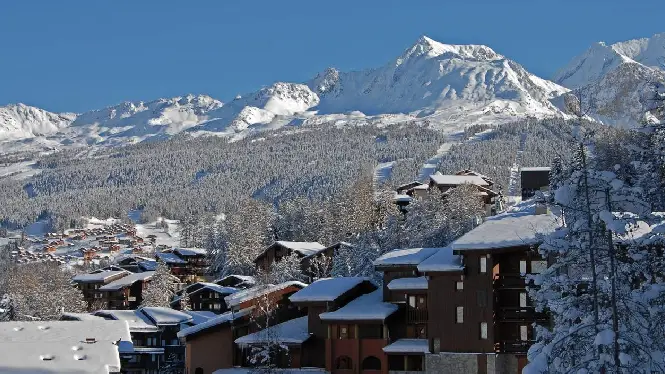
Choosing where to stay in La Plagne matters. With 11 different villages and loads of accommodation styles, the resort suits most budgets and trip types. But each station has its own feel for access, atmosphere and nightlife, so it’s worth spending time to pick the right base before you book. If you want the simplest way to decide, start with your top priority: nightlife, ski-in/ski-out convenience, traditional village feel, or a quieter family week. The village cards below give you a quick overview, then you can click through for the full guides.
As a simple rule, the valley resorts tend to be quieter and more traditional, while the high-altitude stations offer more ski-in/ski-out convenience and quicker links into the main ski area. Use the village guides below to compare locations, then jump into the La Plagne piste guide if you want to match your base to the best runs for your level.
Affiliations: La Plagne 360 works with trusted, industry-leading suppliers to bring you the best services for your trip. If you click on these links, we may earn a small commission at no extra cost to you. In most cases, you’ll also benefit from a better deal. We only feature products and services we’ve used and genuinely recommend.
La Plagne villages
La Plagne villages FAQs
La Plagne village guide – common questions: A few quick answers to help you choose the right village. If you want to go deeper, the specific village guide pages go into far more detail. Note: as a general guide, the higher villages tend to have better nightlife, have more ski-in/ski-out accommodation and a better snow record but La Plagne’s stations are all different so spend a little considering which suits you best.
- How many villages are there in La Plagne?
- Which La Plagne village is best for beginners?
- Best La Plagne village for families?
- Best La Plagne village for nightlife?
- Which villages are quieter at night?
- Where is best for ski-in/ski-out?
- How do I choose the “best” village for my trip?
- Can I get to Les Arcs easily from La Plagne?
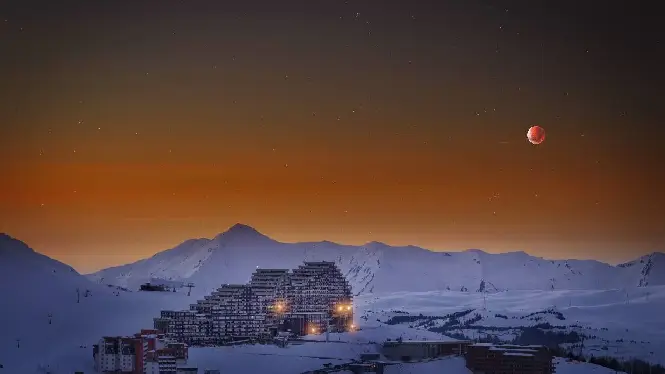
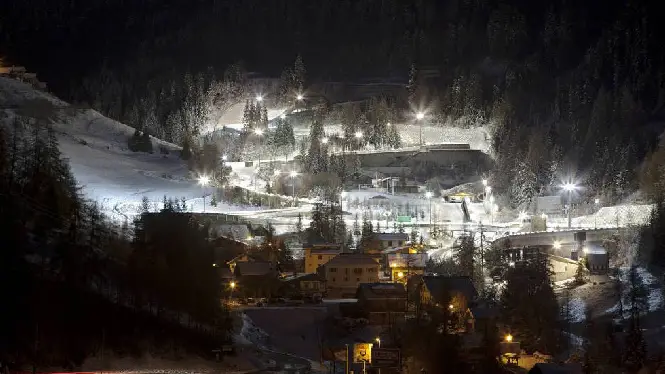
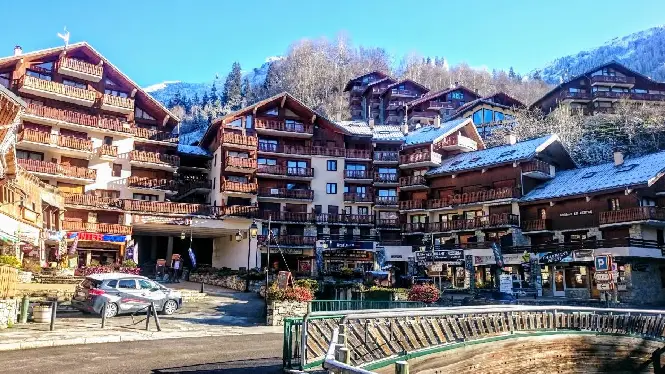
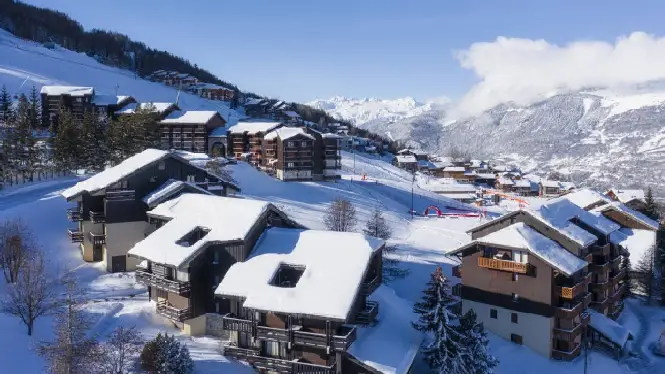
La Plagne is made up of multiple villages (“stations”) spread across the mountain. This page links to the main ones, including Plagne Centre, Belle Plagne, Plagne Bellecôte, Aime 2000, Plagne Soleil, Plagne Villages, plus the lower villages like Champagny-en-Vanoise, Montalbert and Montchavin / Les Coches.
If you want the easiest “walk outside and practise” vibe, the purpose-built higher stations tend to be the simplest. Start by checking Plagne Centre (most central, loads of facilities) and the nearby high stations like Plagne Soleil, Plagne Villages, Plagne Bellecôte and Belle Plagne. Then use the La Plagne piste guide to figure out which sectors give you the mellowest progression.
Most families want convenience, short walks and easy access to cruisy pistes. A solid starting point is Plagne Centre for facilities and options, or Montchavin / Les Coches if you prefer a more traditional feel. In truth, La Plagne is a very family-friendly ski area so most villages will work out fine. However, if you prefer peace and quiet, as a rule, the lower valley resorts are much quieter. When it comes to planning your day, check conditions first on La Plagne live (and the La Plagne webcams) to pick the best area.
If you’re chasing more atmosphere, start with Belle Plagne and nearby Plagne Bellecôte. Plagne Centre has the greatest central convenience and the most amenities, bars, restaurants and clubs directly in the resort. Plagne Centre and Belle Plagne are widely regarded as being the most lively La Plagne villages.
As a general rule, the lower villages are calmer and more traditional, while some of the higher purpose-built stations can feel quieter outside peak weeks too. If you want peaceful evenings, look at Champagny-en-Vanoise and Montalbert, then compare them with the higher villages. Of these, Plagne Villages and Plagne Soleil are the quietest.
If you want maximum doorstep convenience, focus on the higher stations and the purpose-built areas. Start with Belle Plagne, Plagne Bellecôte, Plagne Centre and Aime 2000. Then use the La Plagne lift guide to see how quickly you can branch out into other sectors.
Pick your top priority first: (1) nightlife, (2) family convenience, (3) traditional village feel, or (4) easy links around the ski area. Then cross-check two things: the terrain you’ll actually ski (use the piste guide) and the lifts you’ll rely on most (use the lift guide). This combination usually makes the decision obvious.
Yes — La Plagne connects to Les Arcs via the Vanoise Express cable car. If that link matters to you, staying somewhere with quick access across the ski area can make your days much easier (use the lift guide to sanity-check your routes). Montchavin/Les Coches are closest to the cable car while the Bellecôte villages are closest of the high Alpine stations.
La Plagne convenience – tips
La Plagne villages overview: If you’re using this page, you’re probably trying to work out where to stay, how to get about and what kind of vibe each village has. These quick answers help, but the village pages go deeper. Note, the La Plagne villages are very varied and there’s a resort for all tastes – but it’s best to try and prioritise exactly what’s most important to you before booking.
- Where should I stay if I don’t want to rely on buses?
- Which villages are best if I’m driving?
- Is it better to stay high altitude or in the valley villages?
- What’s the best village if we want a traditional feel?
- How do I pick the right accommodation type?
- What if conditions vary across the mountain?
- Where can I see how the ski area links together?
The high altitude stations are central and well-connected in the ski area, with runs and lifts that naturally “fan out” into the wider area (no buses or long walks required). Plagne Centre is the obvious starting point, then compare with nearby high stations like Aime 2000, Plagne Soleil and Plagne Villages. Note – you may still use buses at night in these resorts but the service is comprehensive and regular.
If you’re arriving by car, your priorities are usually: easy access, parking practicality and avoiding hassle on changeover day. In this respect, the valley villages may win but remember the practicalities of lift networks, variety of pistes, extent of nightlife etc. Start by comparing the villages you’re considering, then use the live info pages to plan timing (especially in snowy weeks): La Plagne live and La Plagne webcams will help in this respect.
High villages are all about convenience (quick access to the ski area, less faff first thing). Valley villages are more about charm and a quieter feel. To compare properly, start with your two “shortlist” villages (for example Montalbert vs Plagne Centre) and check the practical lift links in the lift guide and types of runs in the piste guide.
If you prefer something that feels more like a proper alpine village (rather than purpose-built blocks), start with Champagny-en-Vanoise and Montchavin / Les Coches, then compare with the higher stations like Belle Plagne. Belle Plagne does a surprisingly good job of traditional, despite being purpose-built.
Start with your non-negotiable: for example, ski-in/ski-out, spa/hotel comfort, or budget apartment practicality. Then use this site’s planning pages to price-check quickly and keep it all in one place: La Plagne accommodation and the wider La Plagne deals.
That’s exactly why this page helps. In the same week you can have very different visibility, wind and snow quality between villages. Before you commit to a day plan (or even before you book), check La Plagne live and scan the webcams for a quick reality check by altitude. As a general rule, bear in mind the 2000m rule, particularly in early or late season. As a general rule, snow cover is normally assured above 2000m
Use two pages together: the La Plagne piste guide (to understand terrain and sector flow) and the lift guide (to understand the actual “plumbing” that moves you around). For an even better idea, we also have 3D video of La Plagne villages and a 3D video of Paradiski (the full La Plagne / Les Arcs domain).
Plan your trip
Planning your trip? These partners help with booking, transfers and kit hire. We may earn a commission if you use them – at no extra cost to you.

La Plagne Geneva flights
More La Plagne flights