
Doing a ski season
Doing a winter season
For most skiers and snowboarders, the idea of doing a winter season feels like the ultimate dream. Live in the mountains, ride all winter, make new mates > rinse > repeat. Doing a season is amazing, but it’s also hard work, problem-solving, shared digs and learning the hard way when you cut corners.
This guide is focused from a La Plagne perspective because that was home turf at the time of writing. However, the advice applies to pretty much any ski resort. This information was learned from doing seasons in Val d’Isère, Tignes, Méribel, Brides-les-Bains, La Plagne (five winters), Bansko and even Turkey’s Palandöken. If you want the video version, I’ve also made a How to do a ski season edit, but the text below is quicker.
Affiliations: La Plagne 360 works with trusted, industry-leading suppliers to bring you the best services for your trip. If you click on these links, we may earn a small commission at no extra cost to you. In most cases, you’ll also benefit from a better deal. We only feature products and services we’ve used and genuinely recommend.
In this season guide
If you’re interested in only specific sections, use the jump menu below. But really, if you want a true overview of what doing a season is really like, read on. This is a warts-and-all, true account based on experience, lived over multiple seasons in multiple resorts.

The season checklist
- Work: most roles appear September to November, with more vacancies appearing in January when people drop out
- Accommodation: the hard part, Facebook saisonnier groups are usually where deals appear first
- Pass: discounted season passes normally require a work contract and often proof of accommodation
- Insurance: holiday cover often isn’t enough for a full season, especially if you ride off-piste or parks. Choose wisely (more below)
- Fitness: get fit before you go, leg burn ruins your first weeks. Worse yet, being unfit could end your season prematurely.
- Money: avoid card fees, get a second travel card and stop bleeding cash at ATMs
- Be realistic: you’ll have amazing days and grim days. That’s normal. You’ll learn to roll with the punches.
- Don’t break yourself: you’re there for months, not a one-week “send it” holiday
The Brexit factor (for UK seasonaires): if you’re UK-based, be aware of the 90/180 rule. Post-Brexit, your options are limited unless you have the right visa or paperwork. Details here: working abroad guidance.
Sort your La Plagne hire before you travel
Quick tip: La Plagne is one of the biggest ski areas in the world. On busy weeks, hire shops fill up fast and queues build quickly. Booking ski or snowboard hire in advance means your equipment is ready, sizes are available and you get rental prices that are cheaper online.
Choose a shop close to your accommodation so your first morning is simple.
Prefer to go straight to Skiset? Book here
A season in La Plagne
This guide was written in La Plagne where I spent five winters. From a seasonnaire perspective, it’s a good resort to consider for several reasons. La Plagne has 225km of pistes, 11 villages and terrain that runs from 1,250m to glacier riding above 3,000m. Add Les Arcs and you get the full Paradiski domain. If you like numbers, our Paradiski stats page makes for eye-watering reading. Paradiski is widely accepted as being the world’s third-largest interlinked ski area.
No matter what resort you choose, this page will help you do a season without making the usual mistakes. However, if you want a proper feel for seasonnaire life in La Plagne, check this – what it’s like to do a season in La Plagne.
Remember: while this page uses La Plagne as a base example, the advice can be applied to pretty much all resorts.
How to get a season job
Once you decide you’re doing a season, you’ll want everything sorted yesterday. Totally normal. Just know that resort hiring runs on its own timetable.
The off-season in most ski resorts
When resorts close in April, a lot of owners disappear for a bit to take advantage of the inter-season. Even in places that run summer glacier riding, most winter vacancies don’t properly appear until September or October. Also, very often, roles get filled later than that.
The advantages of tour companies
Tour operators are the exception. Many roles get assigned over summer, with training in late autumn. The big upside of tour company work is you’re often fed, housed and sometimes given a lift pass. The pay can be grim, but your costs are lower because so many other things are covered.
Ski season digs with travel companies
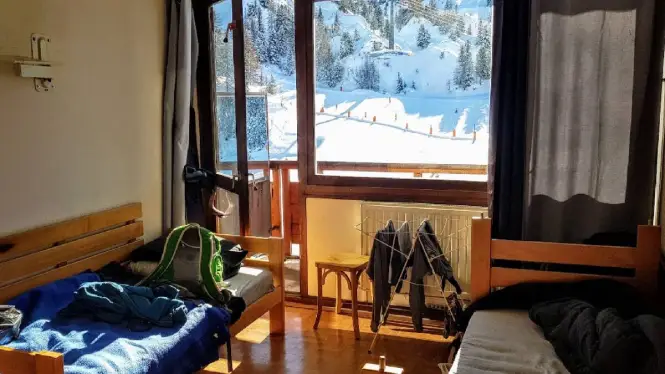
Shared staff accommodation is normal. Think bunk beds and compact rooms with strangers. It’s not glamorous, but it is one of the cheapest ways to survive a season.
Useful resources
Go direct to companies or use season job boards. These change constantly, but you can start with:
Another option is to Google ski season jobs and compare options.
Affiliate-friendly, not spammy: if you’re looking at tour operator roles, it’s worth browsing package operators too because most of the bigger companies include staff-housing options. To understand the holiday context, here’s our all-inclusive La Plagne holidays page.
Finding somewhere to live
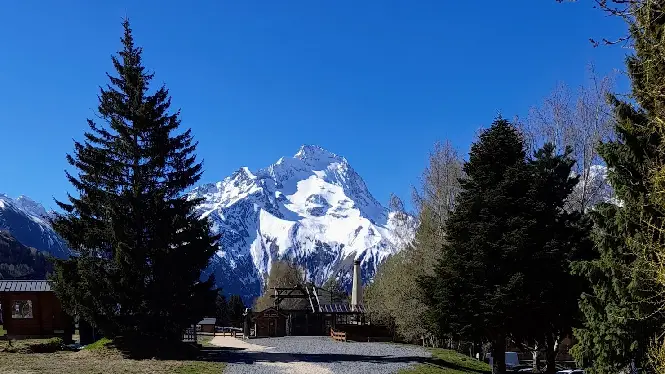
Accommodation in the Alps is a nightmare these days and La Plagne can be particularly brutal. From an owner’s perspective, weekly holiday lets make more money than seasonal rents, so saisonniers get squeezed. Some resorts now provide dedicated staff housing, but spaces are limited and locals / nationals normally get priority.
Almost without exception, your best bet is to join Facebook saisonnier groups. Dedicated resort groups are normally where rooms – and jobs – appear first.
If you’re doing La Plagne and trying to choose where to base yourself, this guide on the best La Plagne ski in ski out villages can help you understand what’s where.
Useful resources
There are still some specialist website providers you can try, but prices tend to be inflated. In reality, the season groups remain the best route for finding accommodation.
Small but important: if you find a decent place to stay, move fast, keep your messages polite and don’t overshare personal info.
Worth remembering: if friends or family come to visit, don’t try to cram them into where you’re staying (especially if you’re sharing). Point them towards proper accommodation options instead. Check our best La Plagne accommodation page for deals (you can also search other resorts from this form).
Go alone or go with mates?
This is tricky for loads of reasons. It’s rare that you’ll find a whole group of friends who want to do a season at the same time but, if you can pull it off, it could make life cheaper. Shared taxis, shared rooms, shared food shops. Single occupancy always costs more.
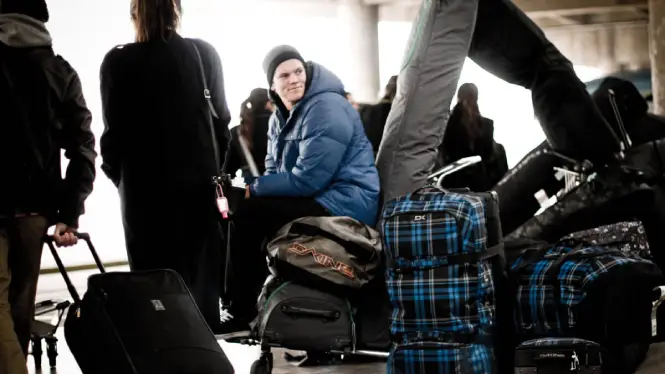
It’s also handy having trusted people around you, especially if it’s your first season. Even simple stuff like airports gets easier when you’ve got someone watching your kit.
Doing a season alone
The big upside is you tend to meet more new people. You’re more approachable when you’re solo and you’ll make more of an effort to speak to strangers. I’ve done plenty of seasons alone and they’ve been some of the best.
Try to find a job that includes accommodation
If you can, get a role that comes with digs. It might mean living with colleagues, but it’s normally going to be much, much cheaper – or even included as part of the job. These days, a lot of bars and restaurants offer staff apartments because seasonal housing is so scarce.
Get fit before you arrive
I can’t stress this enough. Skiing and snowboarding involve muscles you don’t normally use in everyday life. If you turn up unfit, you’ll waste the first weeks in pain.
It’s not just strength – flexibility matters too
Do stretching as well as strength training. Loads of injuries come from small falls and awkward twists. Limber up now, not on the first icy morning. That said, it’s also worth doing 5 to 10 minutes of stretching each morning before you ride.
There are loads of YouTube resources for this. Search ski and snowboard fitness and pick something you’ll actually stick with.
Don’t break yourself
A season isn’t a one-week holiday. You’re here for months. Pace yourself. You’ll ride better by the end of the winter than at the start, so leave the big “send it” days for later.
Season pass savings
A saisonnier season pass is much cheaper than the holidaymaker rate. We’re talking huge reductions compared with full price, weekly passes. That’s money better spent on food, rent, travel and the odd Génépi.
How to get the discount
In most resorts you’ll need to show a work contract. Often, they’ll also ask for proof of accommodation. If you’re lucky, some employers might include your pass in the job package, but check first.
Day passes vs season pass
Day passes add up fast. Even if you only ride on days off, a season pass can still make sense surprisingly quickly. Note – many resorts (La Plagne included) now offer 2 or 3-day seasonal passes meaning you only pay for a few days a week rather than full, seven-day, season-long access.
Bar and restaurant discounts
Most places offer saisonnier drink discounts once you’re known. Food discounts are less common, but drinks are normally where you’ll save. Spend time working out where the other saisonnaires drink and get your face known early. All resorts have bars favoured by saisonniers and this will always be your best bet for making nights cheaper. It’s also a great way to meet people. If you want a feel for the local scene in La Plagne, see La Plagne après ski.
Don’t wing it, get proper cover
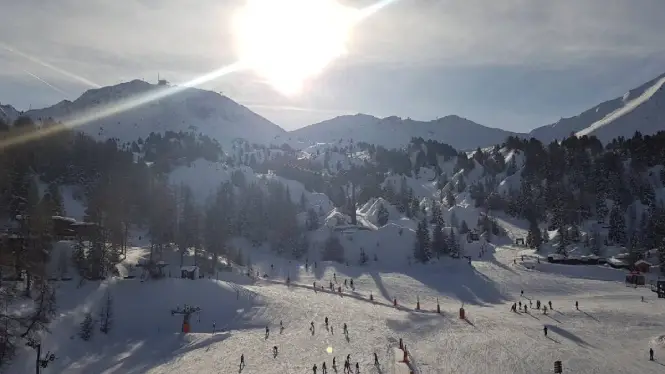
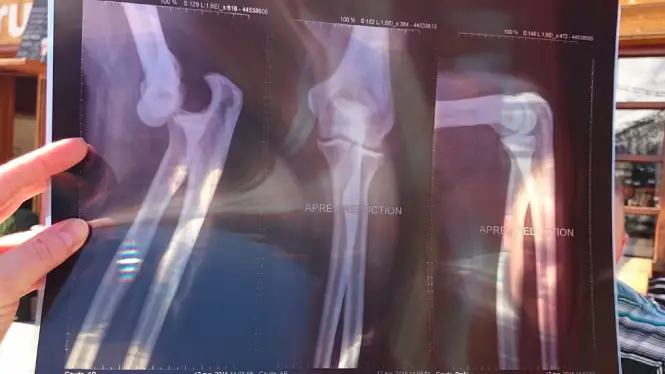
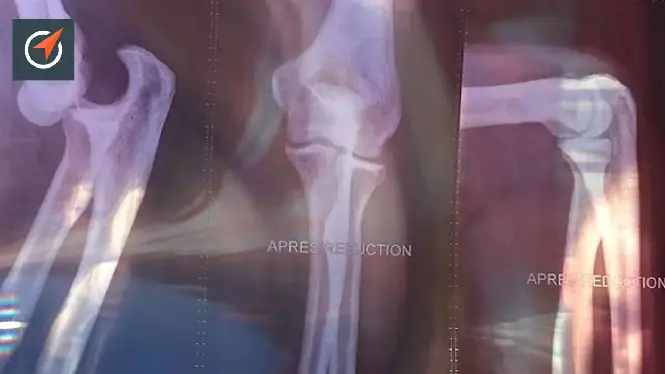
We all hope the worst won’t happen, but you’ll be riding a lot. The risk of injury increases simply because you’re out so often. Rescue and treatment costs mount up fast if you’re uninsured.
If you want the deeper explanation, read why ski insurance matters. If you’re doing a season, go straight here for the best ski season insurance.
Companies I’d recommend
True Traveller: the most flexible cover I’ve found, even if you’re already outside the UK. They also cover a huge range of activities as standard – stuff that other companies don’t.
Link: True Traveller ski insurance.
Carré Neige: If you’re in France, this is excellent local cover you can often add when buying a pass.
Link: Carré Neige.
Other insurers: many run 90-day limitations and offer restrictive cover. Compare carefully.
An honest opinion: when you’re choosing between policies, pick the one that fits your real riding. If you ride parks or off-piste, don’t assume standard holiday cover is enough. True Traveller is an exception. I know this from experience.
Heading to the Alps? Make sure you’re covered
Quick tip: Even on marked pistes, accidents happen. In France, rescue and evacuation costs can be charged to you. Proper ski insurance covers lift evacuation, medical care and cancellation if something goes wrong.
If you haven’t arranged cover yet, it’s worth sorting before your trip.

Cards, cash and not getting rinsed
You’re abroad, you’re not using Sterling so you’ll feel exchange rates and bank charges when they hit. If you withdraw “just what you need” all the time, you can hemorrhage money in fees.
Use a travel card
Internet-only banks make this easier. My preferred option is Revolut, but there are plenty. Move money across, exchange at a fair rate, then spend in local currency.
Also worth knowing: not every village has an ATM. Here’s the LP360 guide to La Plagne cash machines.

You don’t need to pack that much
Seriously, you don’t need as much as you think. You can get by on a week’s underwear, a few T-shirts, a couple of pairs of trousers and maybe two pairs of shoes. Depending on the job you land, you might also need some kind of formal work clothing too (good employers may provide this). However, your ski or snowboard gear will probably end up being what you wear most.
What to pack
If you’ve never done a winter trip before, we’ve put together a comprehensive packing list here: what to pack for a ski or snowboard holiday. This list is comprehensive and should cover everything you need for a full winter.
One thing people forget: take a four-way extension lead. There are never enough sockets and, if you’re sharing, it can end in chaos.
Roll your clothes
Don’t fold, roll. Rolled clothes take up way less space. It sounds like a tiny hack, but it makes packing much easier.
Be realistic about what a season is
The first weeks are a blur. New job, new digs, new responsibilities. Then Christmas hits and it can feel like a baptism of fire. Also, if you’ve never been away from home long-term, the wobble after New Year is real.
January vacancies
Every winter, people drop out and go home after Christmas and New Year. That’s when vacancies reappear. If you missed the first wave of jobs, January is a legit second chance. Keep an eye on the saisonnier groups and job boards.
Speak to people
If you’re on holiday and decide you’d like to do season in that resort in future, talk to locals and seasonnaires to get inside info and secrets. In La Plagne, bars like La Mine in Plagne 1800 and Igloo Igloo in Plagne Centre tend to attract locals (there are many more). All resorts are the same when it comes to saisonniers bars. Speak to people and try to tap into the local crowd.
Top tip: valley shopping always saves money
Resorts are expensive, that’s the deal. When you’re doing a season, shop in the valley. There’s a reason the locals don’t use resort supermarkets. If you’re going to La Plagne, start with La Plagne valley supermarkets in Aime or Albertville. If you don’t have a car, check La Plagne valley bus times (all resorts have local bus connections down the hill).
Apps, filming and useful extras
Track your riding
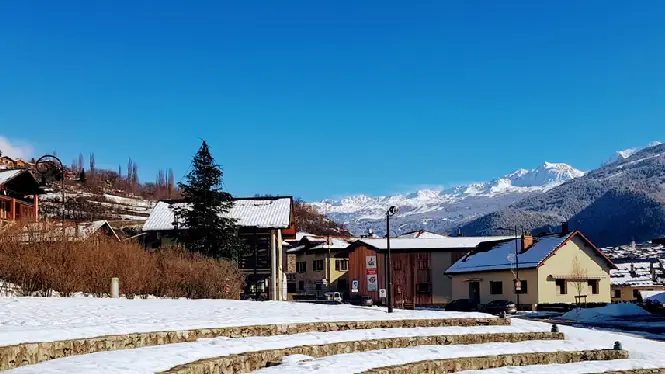
A tracking app is brilliant for looking back on your days. If you want video animations of routes, Relive is fun: relive.cc. Also see our guides to the best La Plagne travel apps and best La Plagne websites. There’s a huge range of ski / snowboard apps these days – and most resorts have sites like LaPlagne360 offering secrets to ride like a local.
Action cams
If you’re filming, modern cameras have stabilisation, but if yours doesn’t, get a gimbal. A selfie stick also makes footage far more watchable than helmet cams. GoPro, DJI and Insta360 are the standouts when it comes to action cams. A dedicated camera will always capture better footage than your phone.
Phone deals
UK mobile rates abroad can be brutal. A local SIM can save you a fortune if you’re out for months doing a season. Dual-SIM phones make this easy, otherwise a cheap second handset works fine. You could also look at virtual sim card deals.
Hire kit if you need to
If you’re new to skiing / snowboarding, or travelling light, hiring is often the smartest move early season. For deals, start here: La Plagne ski and snowboard hire.
Take duct tape
Last thing: take duct tape. Always. Whether you’re going for the season or even just a week. Take duct tape. It can be a quick fix in so many situations.
Live it, and see it through
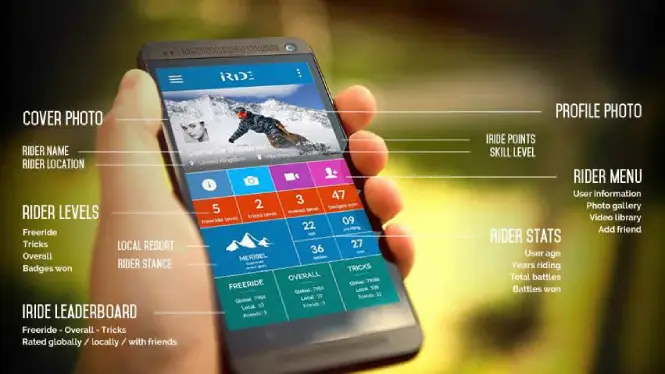
Doing a season can be the best time of your life and you’ll likely make friends that could last a lifetime. The important thing is to temper your expectations, accept there will be ups and downs and keep in mind that saisonnier life isn’t quite as glamorous as you might imagine.
Bottom line – if you don’t try, you’ll never know. If it turns out it’s not for you, you can always just go home. Door-to-door travel back to the UK from France only takes about 12 hours. Not exactly a crisis.
My advice? If you’re thinking about it, take the plunge and find out. If you do it right, it can become a pattern for life before you even realise it. If nothing else, at least you’ll know you tried.
Plan your trip
More La Plagne travel resources: These partners help with booking, transfers and kit hire. We may earn a commission if you use them – at no extra cost to you.
La Plagne Geneva flights
More La Plagne flights